Physical Address
304 North Cardinal St.
Dorchester Center, MA 02124
Physical Address
304 North Cardinal St.
Dorchester Center, MA 02124

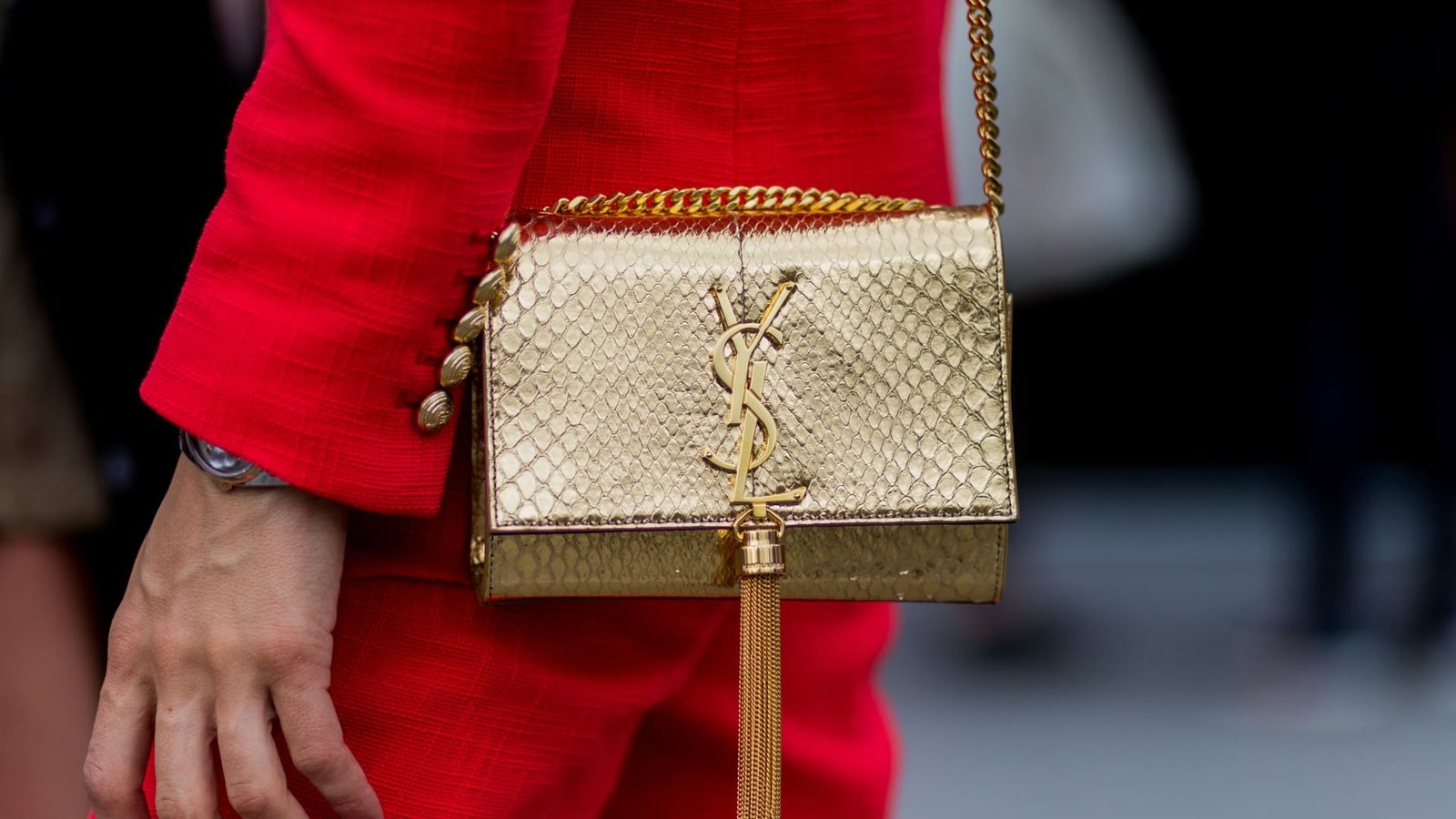
As the global luxury pre-owned market grows, authentication has become the defining factor that separates trusted platforms from the rest.
The fashion and luxury resale market is expanding at an annual rate of 10%, three times faster than the first-hand market, according to a report released Oct. 9 by Boston Consulting Group and luxury resale platform Vestiaire Collective.
The report predicts that the global resale market could reach $360 billion by 2030, up from about $210 billion today.
With more shoppers purchasing pre-owned designer brands, trust has become paramount. “As counterfeiting becomes more sophisticated, even luxury brands themselves sometimes fail to detect counterfeits, in some cases unknowingly repairing fake items,” said Jaewha Choi, CEO of South Korean online marketplace Bunjang.
Horror stories abound online of people paying thousands for fake Hermès bags or Rolex Oyster Perpetual watches with parts exchanged. Some fakes are so convincing they are dubbed “superfakes” reportedly made with materials from the same leather suppliers as the original brands.
However, as the resale market expands, authentication becomes a growing concern. The second-hand industry has long operated under the rule of caveat emptor, or the buyer beware.
To counter the increasingly realistic “super-fakes”, resale platforms are putting resources into verification. Singapore-based online marketplace Carousell opened its first brick-and-mortar luxury store in downtown Singapore this year, allowing sellers to have their items appraised by one of the company’s appraisers before listing them for resale.
The inspection team inspects not only the material of the bag, but also details such as stitching and embossing, Tresor Tan, director of sales, marketing and customer relations at Carousell Luxury, told CNBC.
“After all, our reputation is also at stake,” Tan said. “And because of that confidence, we also offer our buyers a money-back guarantee of authenticity.”

The company has built its own database covering nearly 500 product styles, and higher-value items go through multiple checks. In cases where authenticity is in doubt, the items will not be listed, Tan said.
South Korea’s Bunjang has followed suit, developing its own authentication system that combines traditional visual inspections with scientific equipment and artificial intelligence “trained on hundreds of thousands of data points,” Choi told CNBC.
Bunjang claims a 99.9% authentication accuracy rate in identifying genuine goods, and its verification system can continuously learn and adapt to counterfeiting methods by using AI.
Both Carousell and Bunjang said the verification has boosted business.
Bunjang said luxury goods now make up more than a quarter of its platform’s $1.1 billion annual gross merchandise value. Transactions and total value of luxury goods grew 30% year-on-year in the first half of 2025, Choi said.
Carousell’s Tan did not disclose specific figures, but said the luxury segment has seen “very strong interest” and seen “great growth”.
This growth, which began with the launch of Carousell in 2012 as an online platform, eventually led to the opening of the first physical store.
“When someone buys and sells a $100,000 watch on the platform, that definitely gets our attention,” she said, saying users want Carousell’s oversight of high-value transactions.
Along with the verification process, the store also offers a money-back guarantee on its products. Tan said that although the prices are not always the lowest in the market, the store aims to offer “fair value”.
“We might be, say, $200 more expensive than what somebody else is offering, but (consumers) will ultimately weigh the different options to save $200,” she said. “Am I better off with some confidence?”
Affordability is the main reason for buying second-hand luxury items, cited by 80% of respondents, according to the BCG report.
But it’s not just about saving money. Shoppers are increasingly drawn to rare or discontinued collections that are no longer available in stores, Samantha Virk, chief marketing officer and US CEO of Vestiaire Collective, told CNBC.
“These motivations are getting stronger compared to surveys from previous years, showing that second-hand shopping is becoming an ingrained part of how people engage with fashion today,” Virk said.

Younger shoppers, with their limited purchasing power, prefer to buy, enjoy and quickly resell items, Bunjang’s Choi said.
“This remarkable growth reflects a fundamental shift in the way Millennials and Gen Z, the next wave of luxury consumers, perceive and engage with luxury goods.”



