Physical Address
304 North Cardinal St.
Dorchester Center, MA 02124
Physical Address
304 North Cardinal St.
Dorchester Center, MA 02124

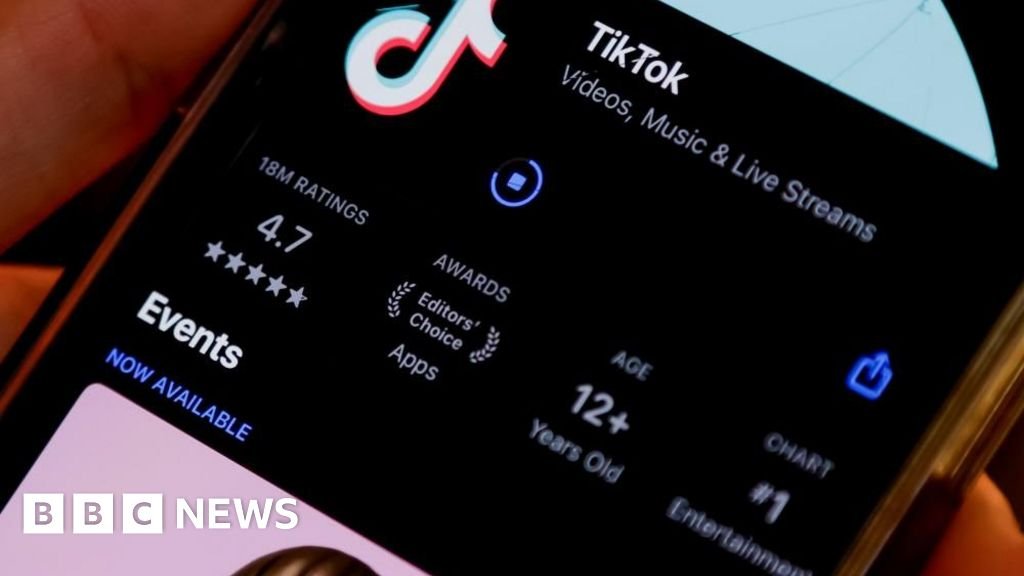
Donald Trump has said he will “most likely” grant a 90-day delay to a ban on TikTok, which is due to take effect on Sunday, ahead of his inauguration as the 47th president of the United States.
Trump told NBC News that an announcement on the matter would likely come on Monday after he takes office.
It comes after the social media platform warned it would “go dark” on Sunday unless the outgoing Biden administration gave assurances the ban would not be enforced.
On Friday, the Supreme Court upheld a law banning the app in the US unless China-based parent company ByteDance sold the platform by January 19. ByteDance declined to seek a buyer.
TikTok said late Friday that the White House and Justice Department “failed to provide the necessary clarity and assurance to service providers that are integral to maintaining TikTok’s availability.”
But White House press secretary Karin Jean-Pierre said Saturday that TikTok’s warning that it would go dark was a “trick.”
“We see no reason for TikTok or other companies to take action in the next few days before the Trump administration takes office on Monday,” she said.
“We have made our position clear and plain: Actions to implement this law will fall to the next administration.” So TikTok and other companies should take all the concerns with them.”
Trump said Friday that he spoke with Chinese President Xi Jinping and discussed TikTok, among other issues.
TikTok CEO Shou Zi Chew is expected to be among the tech leaders at Trump’s inauguration on Monday.
US national security officials have warned that Chinese spies could use the app’s data collection to track US federal officials and contractors, which TikTok has denied.
On Friday, the Chinese embassy in Washington accused the US of unfairly cracking down on TikTok: “China will take all necessary measures to resolutely protect its legitimate rights and interests,” a spokesman said.
The platform is hugely popular with the 170 million users it claims to have in the US, some of whom lobbied members of Congress against the ban. It was also a valuable tool for American political campaigns to reach younger voters.
Trump has previously supported banning TikTok, but has recently professed a “warm spot” for the app, touting the billions of views he says his videos on the platform attracted during last year’s presidential campaign.
Under the law passed last April, the US version of the app will be removed from app stores and web hosting services in the coming days.
Content creators and small businesses dependent on the app for revenue told the BBC their lives would change dramatically if it were to shut down.
“Indirectly, TikTok has been the majority of my income because all the brands want their stuff promoted on the app,” Nicole Bloomgarden, a fashion designer and artist who uses TikTok, told the BBC.
TikTok did not respond to a BBC inquiry about what a potential “blackout” meant in the US.
One possible outcome is what happened in India when the platform ran afoul of authorities there.
Prime Minister Narendra Modi has decided to shut down dozens of Chinese-owned apps, including TikTok, in 2020. after a deadly standoff with Chinese forces over disputed border areas.
Two weeks later, TikTok’s 200 million users in India were no longer able to sign in after Indian internet providers were instructed to block access to the app.
App stores run by Google and Apple have also stopped offering TikTok. The application does not legally challenge India’s ban.
Since the ban, rival short-form platforms have largely filled the void with TikTok imitators, Meta-owned Instagram Reels and Google-owned YouTube Shorts.
Meta is seen as a net winner from the TikTok ban in India.


