Physical Address
304 North Cardinal St.
Dorchester Center, MA 02124
Physical Address
304 North Cardinal St.
Dorchester Center, MA 02124

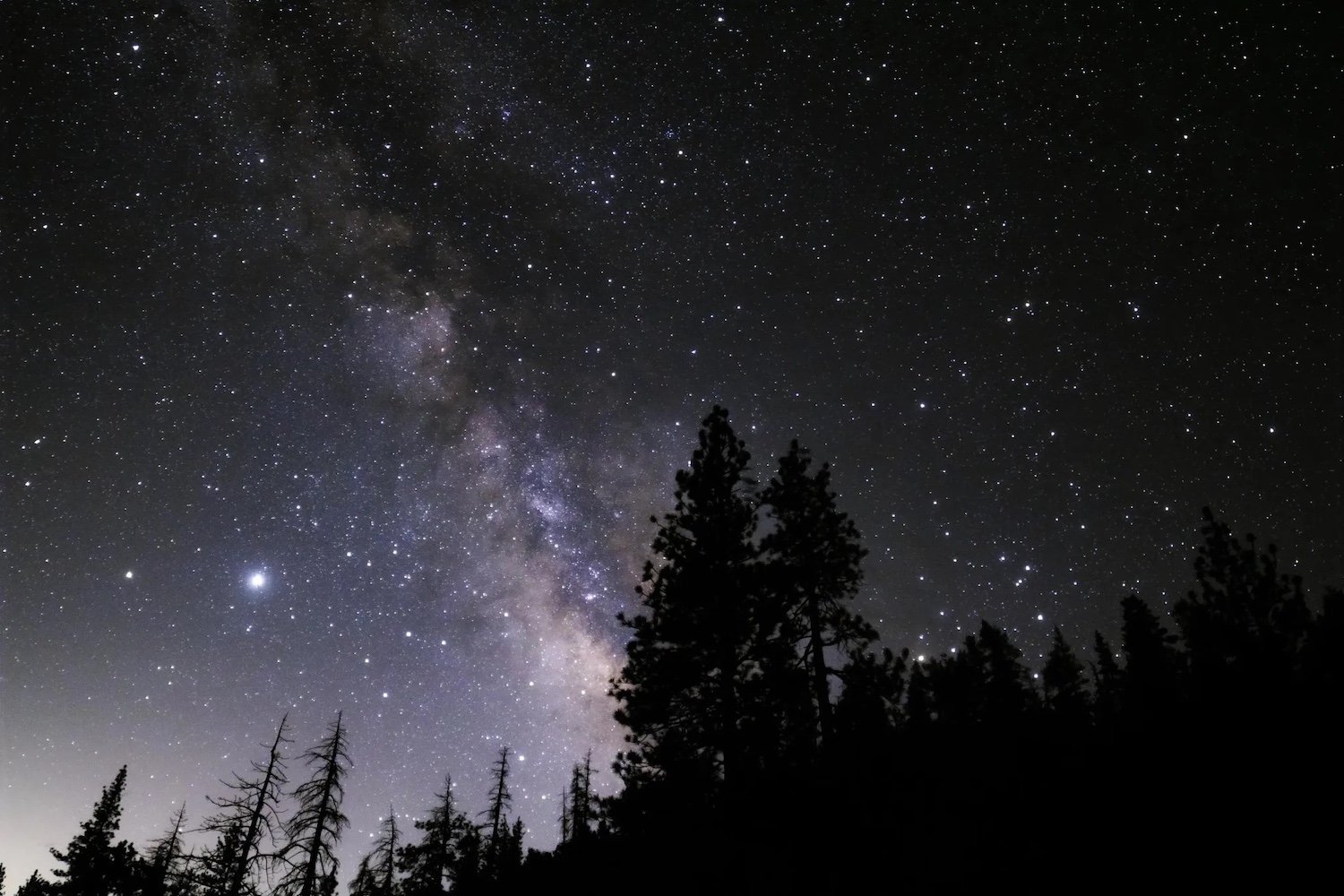
Stargazers are in for a treat as six planets will be seen aligning together in the night sky, setting our view of the cosmos for the rest of January and into February.
Venus, Mars, Jupiter, Saturn, Uranus and Neptune will all be visible side by side, forming a line across the sky, while Mercury will unfortunately be a no-show. A rare planetary alignment can be enjoyed over the next few weeks, with most of the planets in the solar system appearing as bright flashes to the naked eye, according to NASA.
The six planets appear to be aligned only from our perspective from Earth, a cosmic optical illusion because each follows a widely varying elliptical path around the Sun. Their alignment in the night sky, however, depends on the orbit and position of each planet as seen from Earth.
While it is quite common for two or three planets to line up next to each other in the night sky, it is a rare occasion to see four or five planets at once. “Opportunities to see these multi-planets aren’t very rare, but they don’t happen every year, so it’s worth checking,” NASA wrote.
The planets are coming closer to each other since the beginning of January. Venus and Saturn came within a finger’s breadth of our view in the night sky in a double planetary conjunction this week. In reality, the two planets are hundreds of billions of miles apart. Meanwhile, Mars is in opposition, meaning it is directly opposite the Sun from Earth and will shine brightly all night throughout the month.

Venus and Saturn will appear in the southwestern sky during the first few hours after dark, while Jupiter will shine high above and Mars will appear in the eastern sky, according to NASA. All four planets are visible to the naked eye, but you’ll need a telescope or high-powered binoculars to see Uranus and Neptune.
The planetary alignment will be most visible about 30 to 60 minutes before sunrise. It is best seen from a high, dark vantage point with little to no light pollution and an unobstructed view of the sky.
The line formed by the planets in the night sky is called the ecliptic and represents the plane of the solar system where the planets orbit the sun, according to NASA. It’s a rare opportunity to marvel at the scale of the solar system our planet is in and see the mighty planets light up the sky.
If you can’t see the view for yourself, don’t worry—Europe’s Virtual Telescope Project 2.0 is here Hosting a special live feed of Connexion. Streaming begins January 25 at 12:30 pm ET (5:30 pm UTC).


