Physical Address
304 North Cardinal St.
Dorchester Center, MA 02124
Physical Address
304 North Cardinal St.
Dorchester Center, MA 02124

 Chester Zoo
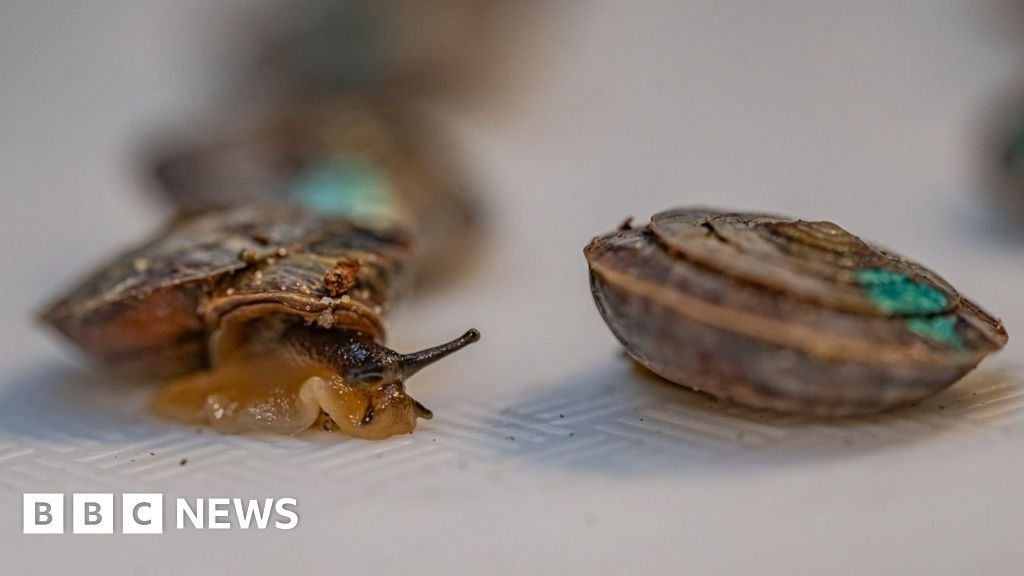
More than 1,300 critically endangered pea-sized snails kept in a zoo have been released to roam (very slowly) on a remote Atlantic island.
The release returns two land snail species from Desertas Island back to the wild. They were previously thought to be extinct – neither species has been seen in a century.
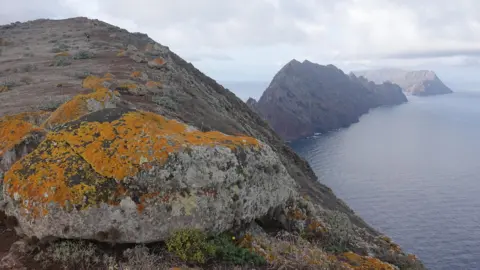
When a team of conservationists found a small population surviving on the rocky cliffs of Deserta Grande Island, near Madeira, they launched a rescue operation.
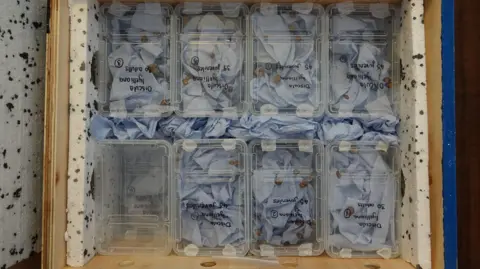
The snails were brought to zoos in the UK and France, including Chester Zoo, where they were made a home in a converted shipping container.
 Chester Zoo
The tiny molluscs are native to the windswept mountain island of Deserta Grande, just southeast of Madeira. The habitat there has been destroyed by rats, mice and goats brought to the island by humans.
All of these invasive predators were thought to have eaten the small snails to extinction. Then a series of conservation expeditions – between 2012 and 2017. – proved the opposite.
Conservationists found only 200 surviving individuals on the island.
 Gerardo Garcia/Chester Zoo
These snails were believed to be the last of their kind, so they were collected and taken into captivity.
At Chester Zoo, the conservation science team has made a new home for 60 of the prized snails. The correct food, vegetation and conditions were recreated in miniature habitat tanks.
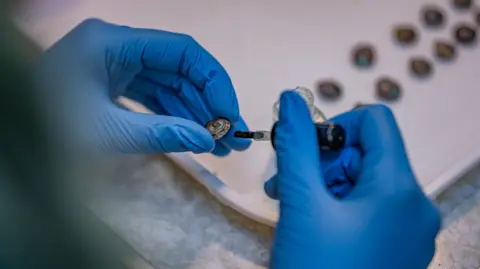
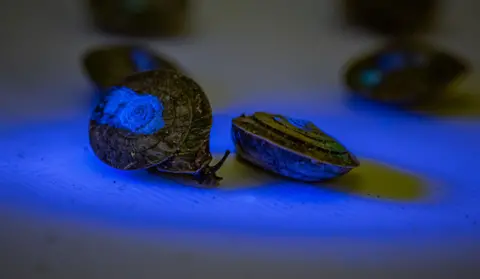
1,329 snail offspring reared at the zoo have now been marked with identification points – using non-toxic pens and nail polish – and transported back into the wild for release.
“(It’s) a color code,” said Dinarte Teixeira, a conservation biologist at the Madeira Institute of Nature and Forestry. “This will allow us to spot them and track where they disperse, how much they grow, how well they survive and how well they adapt to their new environment.”
 Chester Zoo
 Chester Zoo
A wild sanctuary has been restored for snails on Bugio, a smaller neighboring island in the Ilhas Desertas (Desert Islands) archipelago.
Bugio is a nature reserve and invasive species have been eradicated there.
Chester Zoo’s Gerardo Garcia said the reintroduction was a “major step in a recovery plan for the species”.
“If it goes as well as we hope, more snails will follow next spring.” This is a huge team effort that shows it is possible to turn things around for critically endangered species.”
 Gerardo Garcia/Chester Zoo
“These snails are such an important part of the natural habitat (on the islands they come from),” explained Heather Prince from Chester Zoo. In addition to being food for other native species, she explained, snails break down organic matter and add nutrients to the soil.
“They help plants grow. It all depends on the little guys – the insects and snails that are so often overlooked.”



